
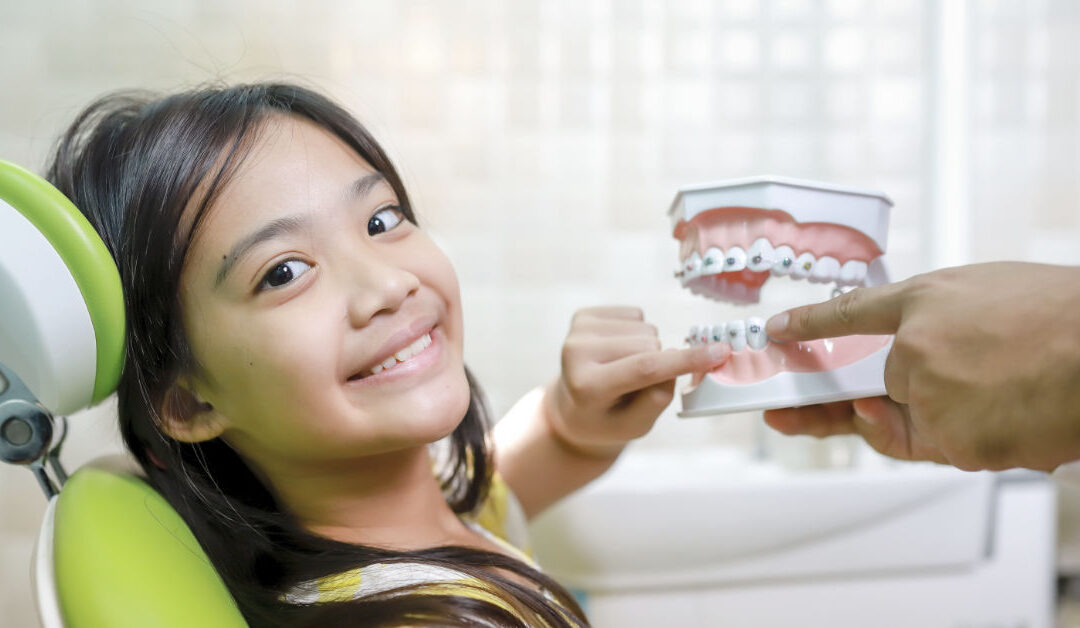
What to expect at your child’s first dental visit
Should I take my kid to the dentist?
Your child should see a dentist by their first birthday, or within six months of their first tooth coming in — whichever happens first.
The first visit is very important, and also short and gentle:
- A quick look at the teeth and gums (sometimes with your toddler on your lap)
- Guidance for you on brushing, diet, and teething
- Little games, hellos, and goodbyes to get familiar with the dentist
Most first visits take 30 to 45 minutes and involve no cleaning, X-rays, or treatment.
So, if you were picturing a squirming toddler in a big reclining chair, you can relax, as that’s not how it should go. This guide will give you more insight into what happens, why the visit matters this early, and how to set your child up for a smooth first experience.
When should my child’s first dental visit be?
The American Academy of Pediatric Dentistry (AAPD) and the American Dental Association both recommend a first visit by age 1, or within six months of the first tooth erupting — whichever comes first.
That’s earlier than many parents expect, and earlier than many general dentists used to recommend.
There’s a good reason for the early timeline: tooth decay can start as soon as teeth appear, and early visits let the dentist catch small issues, like a feeding habit affecting the teeth, before they become bigger problems.
This first appointment is sometimes called a “well-baby dental visit,” modeled after the well-baby checkups your pediatrician already does.
What actually happens at the first visit?
A first dental visit is brief, low-pressure, and designed around your child’s age and comfort. You can expect it to include:
- A gentle visual exam: The dentist looks at your child’s teeth, gums, jaw, and bite to check that everything is developing on track and to spot early signs of decay.
- A knee-to-knee exam: For babies and toddlers who can’t yet sit in a reclining chair, the dentist and a parent sit knee-to-knee, facing each other, while your child lies back with their head resting in the dentist’s lap. It looks unusual the first time, but it lets the dentist see clearly while your child stays close to you the whole time.
- A cleaning demonstration: The dentist typically demonstrates how to brush your child’s teeth using a soft brush, gauze, or washcloth, and answers your specific technique questions.
- A parent conversation: Expect a relaxed conversation (as relaxed as possible with a toddler) about your family’s dental history, diet, bottle or pacifier habits, fluoride, and teething, along with a chance to ask anything on your mind.
- No treatment (usually): First visits almost never include X-rays, cleanings, or any treatment. The goal is simply to get your child comfortable in the chair and give you a baseline for their oral health.
Altogether, a first visit typically runs 30 to 45 minutes, including a few minutes of paperwork if you haven’t completed forms online ahead of time.
What should I bring to the first appointment?
If it’s your first time, it doesn’t hurt to come prepared. You can bring:
- Completed intake forms: If the office offers digital forms in advance, you can fill them out ahead of time, which will save you time and problems with trying to fill them up with your toddler in a waiting room.
- Your child’s health history: If your kid has any medical conditions, medications, allergies, etc.
- A comfort item: Your toddler might benefit from having a familiar, comforting item to ease the transition to a new place.
- Insurance information: Bring your dental insurance card or your Medicaid information if you have coverage. Many plans cover preventive visits for children at no cost.
How can I prepare my toddler for their first visit?
The best preparation happens well before appointment day. A few habits make a real difference:
- Start home cleaning early: Wipe your baby’s gums with a clean, damp washcloth after feedings, even before teeth appear. Once teeth erupt, brush gently twice a day.
- Talk about the visit casually: Read books about visiting the dentist, or watch a children’s show episode about it, so the idea feels familiar rather than new.
- Keep your own tone light: Kids pick up on tone more than words. A relaxed, matter-of-fact attitude from you does more than any pep talk.
- Choose a good time of day: Late morning appointments tend to go better than ones squeezed in around naps or at the end of a long day.
Remember: this is a specialty pediatric dental office designed for this age group. It will likely feature bright colors, small chairs, and dentists trained specifically to treat young children.
Why does the first visit matter so much?
An early first visit does two things a later one can’t: it catches problems while they’re still small and easy to treat, and it shapes how your child feels about the dentist for years to come.
Children who start visits early and have positive experiences are far less likely to develop dental anxiety later, since the office becomes a familiar, ordinary part of life rather than an unknown one.
FAQs
Here are some frequently asked questions about the first dental visit.
Is a 1-year-old too young for the dentist?
No, age 1 is exactly when the AAPD recommends starting.
Even a toothless or barely-toothed baby benefits from an exam, since the dentist checks jaw and gum development and can catch feeding-related issues early.
Will my child get X-rays at the first visit?
Usually not. X-rays aren’t standard at a first visit and are typically introduced later, once a child has enough teeth in contact with each other for X-rays to be useful. This will more likely happen around age 5 or 6, or sooner if the dentist suspects a specific problem.
What if my child cries the whole time?
That’s completely normal, especially for very young toddlers, and it won’t derail the visit. Pediatric dental teams are trained to work efficiently and gently, even through tears, and a short, honest first exam still accomplishes its goal.
Do I need a referral to see a pediatric dentist?
No referral is typically required; you can call and schedule directly.
Some pediatricians will recommend a pediatric dentist at a well-child visit, but you’re free to book on your own once your baby is close to their first birthday.
The first dental visit helps your kid with prevention
Your child’s first dental visit is more about building comfort and catching small issues early than it is about getting treatment.
Book it by age 1, keep your own energy relaxed, and expect a short, gentle appointment focused on you as much as your child.
That early, positive start makes all the difference for a future life full of healthy smiles.
Sources:
Recent Comments