
How often do children need dental X-rays?
Should I avoid an X-ray for my kid at the dentist?
Many parents feel uneasy when a dentist suggests an X-ray for their child.
The concern is understandable, because radiation is never something to take lightly.
Dental X-rays, however, are a routine tool that helps dentists see what the eye cannot, such as cavities between teeth and problems below the gumline.
This guide explains how often children usually need them, what affects the timing, and which questions to ask.
Why do dentists take X-rays of children’s teeth?
There are cavities that not even super-experienced dentists can see. Maybe a visual exam shows the outer surfaces of the teeth, but many cavities start where teeth touch each other.
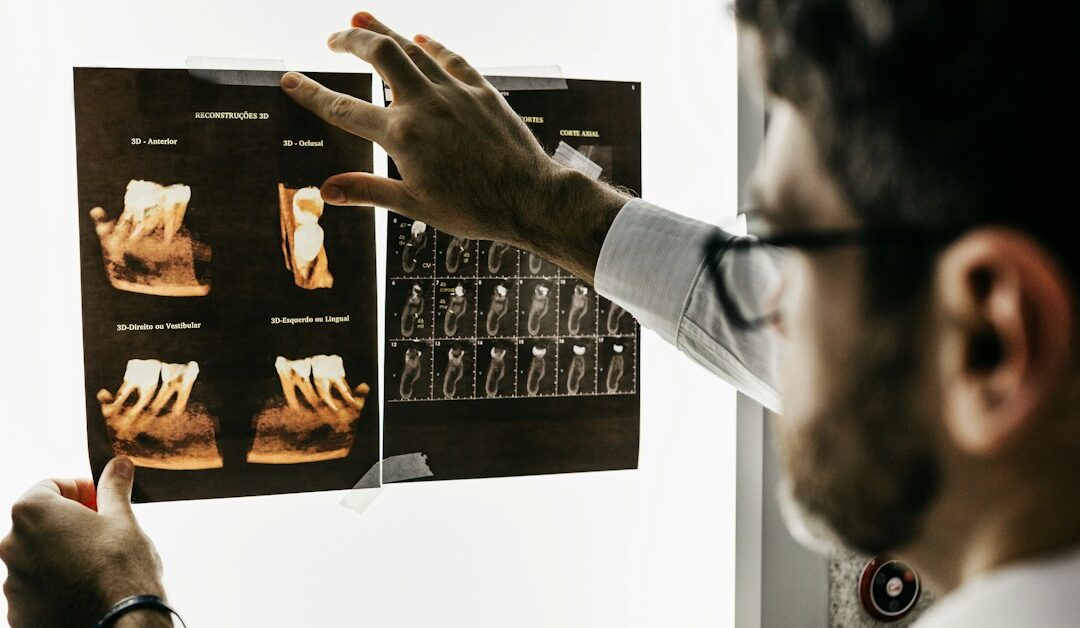
Bitewing X-rays, which show the back teeth in a single image, reveal these hidden spots early. X-rays also show the roots, the jawbone, and the developing adult teeth beneath the gums.
Dentists use these X-rays to:
- Spot infections
- Check how permanent teeth are coming in
- Plan treatment for crowding or bite problems
How often do children need dental X-rays?
There is no single schedule for every child. The American Academy of Pediatric Dentistry recommends bitewing X-rays based on cavity risk and dental development.
For children with cavities or an increased risk of them, bitewings may be taken every six to twelve months while the proximal surfaces, where teeth touch, cannot be checked by sight or with a probe. For children without current decay and not at increased risk, the interval is usually longer, often twelve to twenty-four months for baby teeth and up to about three years for older children.
These intervals are guidelines, and the dentist makes the final call.
How much is too many X-rays?
There is no fixed number that counts as too many, because the right amount depends on the child’s risk of cavities, age, and dental development.
The real concern is repeated images taken without a clear reason.
If a visual check can answer the dentist’s question, an X-ray may not be needed.
You can always keep a record of how often your child has images, and ask the dentist to explain any new X-ray in terms of what it will show.
What factors change the timing of X-rays?
Several factors shape the schedule. The first is cavity history, since a child who has had several cavities needs closer monitoring than one who has never had any. Diet and sugar habits matter too, along with fluoride exposure from toothpaste or water.
The stage of tooth development is another factor, because baby teeth, mixed teeth, and adult teeth each call for different timing.
The dentist also considers medical history and any X-rays taken recently at another office.
When it comes to the dentist, always ask. For example, ask them to explain the reasoning behind the X-ray schedule for your child.
How much radiation do dental X-rays use?
Dental X-rays use very small doses of radiation, and dentists follow the ALARA principle, which stands for keeping exposure as low as reasonably achievable.
Digital sensors generally need less exposure than older film, and many offices now use them. Modern equipment is designed to limit the beam to the area being examined. Dentists also avoid repeating images that are not needed for diagnosis. If you have questions about safety, your dentist can explain the specific equipment in your office.
When are X-rays not needed?
X-rays are not always required at every visit. A child with low cavity risk, no visible decay, and a recent set of images may only need a visual exam and a cleaning. Repeated images taken without a clear purpose add exposure without much benefit. If a dentist recommends an X-ray, parents can ask what it will show and whether the information could come from a visual check instead. A good dentist will welcome these questions.
What should parents ask before an X-ray?
A few simple questions help parents understand the decision. Ask why this image is needed now and what the dentist hopes to find. Ask how often the office recommends bitewings for your child, and whether they use digital sensors. Ask whether a lead apron or thyroid collar is used when appropriate, and whether you can see the images with the dentist. Writing down your questions before the visit helps you remember them during a short appointment.
How do X-rays help catch problems early?
Early detection is the main benefit of dental X-rays. A cavity found between teeth can often be treated with a small filling before it reaches the nerve. X-rays also help track how adult teeth are developing, which can reveal crowding, missing teeth, or extra teeth that need attention. For children who may need braces later, early images help the orthodontist plan timing. Catching these issues early usually means simpler and less costly care.
Can young children get X-rays comfortably?
Yes, with preparation. Dentists often use small sensors and bite-wing holders that make images faster and easier.
Explaining the process in simple words helps, such as saying the machine takes a quick picture of the teeth. Many offices use a stop signal, like raising a hand, so the child feels in control.
Short appointments, a comfort item, and praise after the X-ray can make the experience much calmer for toddlers and preschoolers.
What do parents ask about dental X-rays?
Parents often have the same questions about X-rays. The answers below cover the most common ones.
Do children need X-rays at every checkup?
No. Many children need X-rays less often than they have checkups, depending on their risk and development. Your dentist should explain the reason for each image.
Are digital X-rays safer?
Digital sensors generally require less radiation than older film, which is one reason many offices use them. Ask your office which system they use and how they limit exposure.
Why does my child need an X-ray if their teeth look fine?
Cavities often start between teeth or under the gumline, where a visual check cannot see them. X-rays can reveal these areas early, when treatment is simpler.
How can parents keep X-rays useful and limited?
The best approach is to treat X-rays as one tool among many, not as a routine that repeats without purpose.
Keep a record of the dates and types of images your child has had, and bring it to each visit.
Talk with your dentist about your child’s cavity risk, diet, and fluoride habits so the schedule matches their real needs.
A clear plan protects both health and peace of mind.
Source:
Recent Comments